Spring Flood Preparation Guide for Eagle Mountain Homeowners
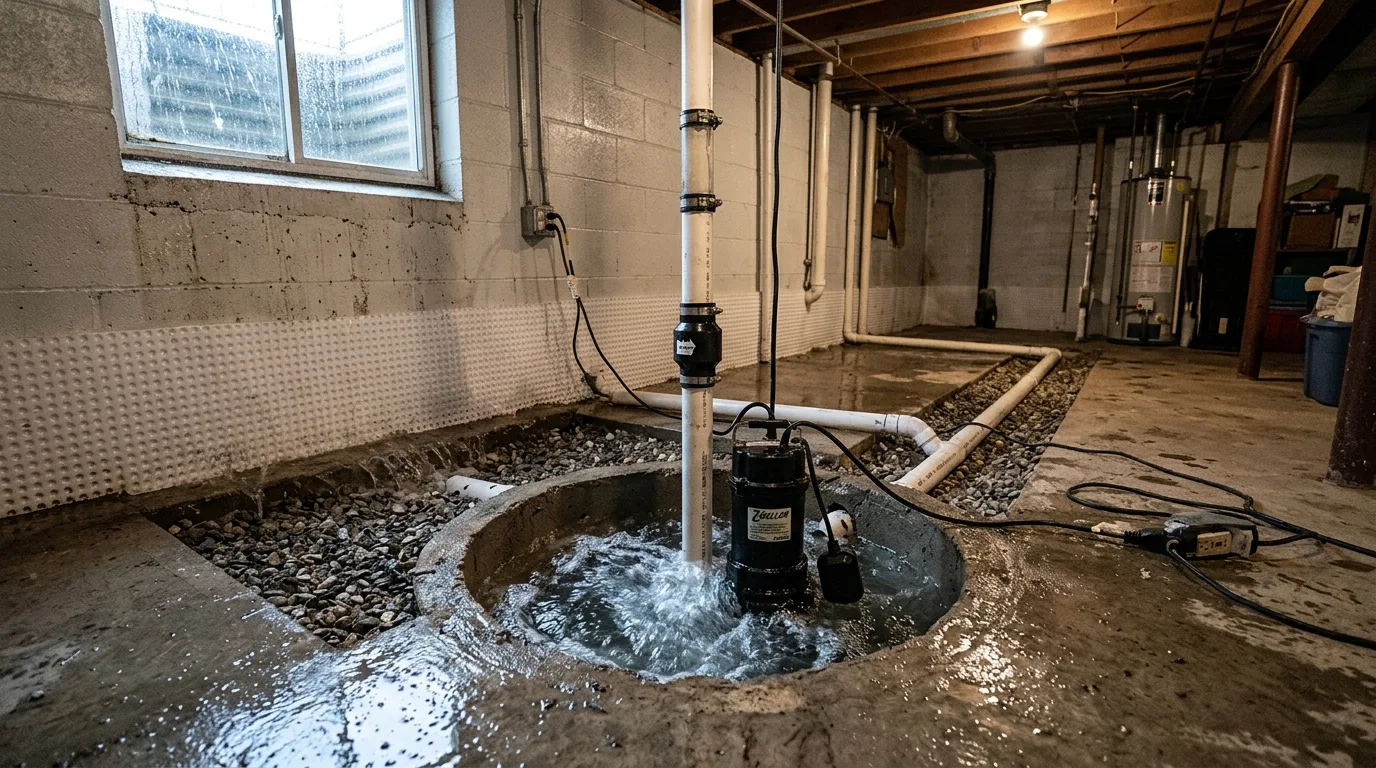
Spring arrives quickly in Eagle Mountain, and with it comes the city’s highest annual flood risk. March through May, snowpack from the Lake Mountains melts and runs downhill, saturating Utah County’s expansive clay soils and testing stormwater infrastructure that was designed for a much smaller city. Eagle Mountain has grown to nearly 77,000 residents at a 6% annual growth rate — and in many neighborhoods, the drainage systems are still catching up. This guide gives Eagle Mountain homeowners a practical preparation checklist to protect their homes before the runoff season arrives.
In this post, we cover the timing of Eagle Mountain’s flood risk window, the specific home systems to inspect and prepare, and when to call a professional before water has already entered your home.
Flood Damage in Eagle Mountain? We Respond 24/7.
IICRC-certified flood damage cleanup across Eagle Mountain and Utah County. Call (877) 698-1311.
Why Spring Is Eagle Mountain’s Highest Flood Risk Period
Eagle Mountain City itself acknowledges the spring flood risk with annual sandbag events and ongoing stormwater infrastructure investments — including HDPE drainage pipe replacements and upgraded retention ponds in vulnerable areas like the Valley View neighborhood. The city’s flood risk assessment shows that 16.1% of Eagle Mountain properties carry some flood risk today, rising to 17% over the next 30 years. In a major 1-in-100-year flood event, approximately 1,186 properties would be affected.
April is Eagle Mountain’s wettest month, with an average of 7.1 days receiving measurable precipitation. The challenge is not just the rain — it’s the combination of rain and late-season snowmelt arriving simultaneously. Clay soils that are already saturated from early spring events have no additional absorption capacity when the next storm arrives, routing nearly all precipitation as surface runoff. Homes in lower-lying areas of the City Center, certain sections of Cedar Valley, and newer developments in Eagle Park where grades haven’t fully settled are the most vulnerable.
The dehumidification and structural drying advantages of Eagle Mountain’s dry climate only matter once the water is out. Prevention is far less expensive than flood damage cleanup in Eagle Mountain.
Preparation Checklist: Complete Before March 1
Exterior drainage:
- Clean gutters and downspouts — Remove debris accumulated over fall and winter. Blocked gutters during snowmelt overflow and discharge against the foundation rather than away from it.
- Verify downspout extension — Downspouts should discharge at least 4 feet from the foundation. Extensions cost $15–$30 and prevent the single most common foundation intrusion cause.
- Check window wells — Install covers on basement window wells if not already present. During heavy snowmelt and rain, uncovered window wells can fill within minutes and allow water entry through basement windows.
- Inspect foundation grading — The ground around your foundation should slope away from the structure. Soil that has settled flat or toward the foundation over the winter should be regraded before spring.
Sump pump system:
- Test your sump pump in February — Pour water into the pit until the float triggers. Confirm the pump runs and discharges. Replace batteries in battery backup systems.
- Confirm discharge location — The discharge pipe should terminate well away from the foundation and not into a drain that can back up during high-flow events.
- Consider a battery backup — Eagle Mountain’s spring storm events can cause power outages at the same time the sump pump needs to run most. A battery backup is inexpensive insurance.
Basement and crawl space:
- Inspect for existing cracks — Walk your basement perimeter and mark any new wall cracks. Horizontal cracks in basement walls are a structural warning sign; vertical cracks are more common and less urgent but still warrant monitoring.
- Check vapor barrier condition — Crawl space vapor barriers that are torn, displaced, or missing allow soil moisture to evaporate into the structure. This is a particular issue with Eagle Mountain’s clay soils, which hold moisture against the foundation throughout the spring season.
- Test floor drains — Pour water into basement floor drains to confirm they’re clear and functional before the season.
Eagle Mountain Spring Flood Preparation — Need Help Assessing Your Risk?
We offer pre-season assessments for Eagle Mountain homeowners. Call (877) 698-1311.
Types of Spring Flood Events in Eagle Mountain
Snowmelt runoff flooding: The most common spring flood scenario in Eagle Mountain. Surface water flows downhill across frozen or saturated ground, following grades toward low points. Homes at the base of slopes or in low-lying areas of the city are most exposed.
Stormwater system surcharge: During peak snowmelt combined with rain events, municipal storm drains can become overwhelmed — backing up into connected drainage features and, in rare cases, into homes with floor drains connected to storm sewer systems.
Foundation seepage: Groundwater that rises during the spring saturation period finds paths through foundation cracks, window wells, and cold joints between the foundation wall and footing. This is often a slow, steady seep rather than a dramatic flood event — but it accumulates moisture in insulation and drywall until mold follows.
Sump pump failure at peak load: The most preventable spring flood scenario. Sump pumps that run rarely in normal conditions are suddenly required to run continuously during a multi-day snowmelt event. Pumps near end of life fail under continuous operation. Battery backup systems prevent this from becoming a flood event.
What Happens After Spring Flooding
Even a small spring flood event leaves behind hidden moisture that can create mold remediation needs in Eagle Mountain weeks after the visible water is gone. Water that entered through a window well and soaked into the concrete block foundation wall, for example, may not produce visible mold for 3–4 weeks — by which time it has penetrated the wall cavity behind the drywall.
A professional post-flood moisture inspection using thermal imaging is the most reliable way to confirm whether spring water events have created hidden moisture problems. We recommend scheduling an inspection within 2–4 weeks after any spring flood event that entered your home, even if you extracted the visible water yourself.
For more on what to expect if flooding does occur, see our flood damage cleanup service page and our summer storm season guide for Eagle Mountain.
Get Ready for Eagle Mountain's Spring Flood Season
Call Eagle Mountain Water Damage Restoration at (877) 698-1311. Pre-season assessment, 24/7 emergency response, all insurance accepted.
Related: