Summer Storm Season in Eagle Mountain: Protect Your Basement
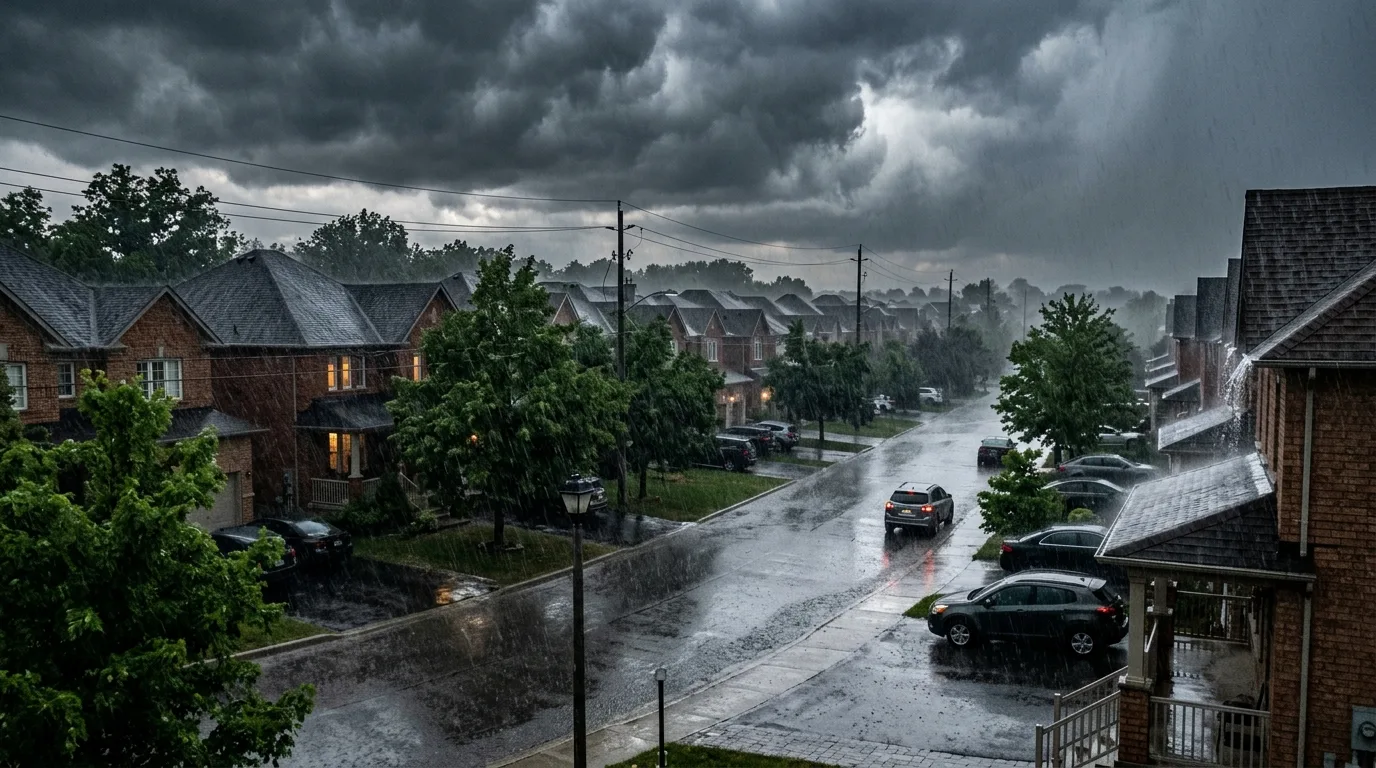
Most Eagle Mountain homeowners think about water damage in the context of spring snowmelt — but July and August bring a second, often more intense flood risk window: the summer monsoon season. Afternoon thunderstorms that drop significant rainfall in 30–60 minutes are the signature summer weather pattern in Eagle Mountain and throughout Utah County, and they create a basement flooding scenario that differs from spring runoff in ways that matter for how you prepare and respond.
In this post, we cover why monsoon storms are particularly dangerous for Eagle Mountain basements, what preparation steps work for summer flooding specifically, and what to do immediately when water enters your home during a storm.
Eagle Mountain Basement Flooding Emergency? Call 24/7.
IICRC-certified flood damage cleanup — 60-minute response to Eagle Mountain and all of Utah County. (877) 698-1311.
Why Monsoon Storms Hit Eagle Mountain Differently
Eagle Mountain’s monsoon season arrives in late June and peaks in July and August. Unlike spring snowmelt — which is gradual and somewhat predictable — monsoon thunderstorms can drop an inch of rain in under an hour on soil that is either hard-packed from summer heat or already saturated from a previous storm. Utah County’s expansive clay soils play a central role here.
During the dry summer months of May and June, Eagle Mountain’s clay soils shrink and crack as they dry. These shrinkage cracks can extend several inches deep, and in July’s first monsoon events, water rushes into the cracks before being slowly absorbed. Once the soil absorbs enough to swell shut, additional rainfall has nowhere to go except as surface runoff — and on Eagle Mountain’s grades, that runoff moves quickly toward the lowest structural features, including window wells, garage floors, and foundation walls.
For homes in Eagle Park and newer subdivisions near Pony Express Parkway, where finished grades are relatively recent and landscaping hasn’t matured to anchor soil, runoff patterns can shift from year to year. A grade that appeared adequate in the first year after construction may need correction after settlement. Homes that experienced no water intrusion in spring may be surprised by summer flooding from a different direction.
Types of Summer Flooding in Eagle Mountain
Flash flood entry through window wells: Window wells that are sized or positioned incorrectly fill rapidly during a 1-inch-per-hour rainfall event. Water pressure against the basement window can overcome standard residential window seals. Window well covers rated for storm load are the most direct prevention for this scenario.
Garage flooding with entry to living space: Attached garages in Eagle Mountain homes are frequently at or slightly below grade. When monsoon runoff sheets across driveways and toward the garage door, water can enter the garage and — through the door to the living space or finished basement — reach finished floors. Threshold drains at garage entries are an underutilized solution.
Basement flooding via foundation wall cracks: Summer monsoon rainfall saturates the soil against foundation walls quickly. Water under hydrostatic pressure finds existing cracks in the foundation wall, particularly in The Ranches and Cedar Valley neighborhoods where homes were built on clay-rich lots with variable water table behavior. The crack does not need to be visible to allow entry — hairline cracks in poured concrete foundations are sufficient under pressure.
Sewer backup from storm surcharge: Eagle Mountain’s rapid growth has created localized periods of sewer system capacity stress. Large monsoon rain events can surcharge the municipal system, creating backpressure in residential lateral lines. Floor drains in finished basements — common in newer Eagle Mountain construction — are the typical entry point for sewer surcharge flooding. Sewage cleanup in Eagle Mountain is required for these events.
Monsoon Flooding at Your Eagle Mountain Home? We're Ready.
Call Eagle Mountain Water Damage Restoration for emergency flood damage cleanup. Available 24/7 across Utah County.
Pre-Monsoon Preparation (Complete by Late June)
Window wells:
- Install storm-rated covers if not already in place
- Confirm existing covers are secured and free of cracks
- Clear gravel at the bottom of each well — compacted debris raises the effective floor and reduces the storm capacity of the well
Foundation and grading:
- Check that soil against the foundation has not dried and settled below slab level, creating a channel that directs water toward the foundation rather than away from it
- Inspect for new cracks in exposed foundation that may have opened during spring wet–dry cycles
Drainage diversion:
- Confirm downspouts are clear and extended at least 4 feet from the foundation
- Install diverters on problem downspouts if runoff patterns have caused damage
Sump system:
- Test the sump pump in June before peak monsoon season — summer heat and dust can affect float arm operation
- Confirm the battery backup is charged
Floor drains:
- Test basement floor drains to confirm they are clear and functioning
- Consider a drain plug or backflow preventer for floor drains connected to the municipal sewer
What to Do When Monsoon Flooding Enters Your Home
- Shut off electricity to any lower-level circuits if water has reached electrical outlets or panels. Call an electrician before restoring power.
- Identify the water source. If it is entering from outside (window well, foundation crack, floor drain backup), it is category 2 or 3 — do not walk through it without protective footwear.
- Call immediately. Emergency water extraction in Eagle Mountain must begin before the 24-hour mold window closes. Do not wait to see if the water will recede on its own.
- Document everything. Photograph all affected areas, waterlines, and damaged contents before any cleanup begins. This documentation supports your insurance claim.
- Move contents if safe. Move undamaged contents to dry areas to prevent secondary damage, but don’t move water-damaged contents out of the home until they’ve been inventoried.
For a deeper look at Eagle Mountain’s spring flood risk and how it compares to summer storms, see our Spring Flood Preparation Guide. For insurance coverage specifics, see our homeowners insurance and water damage guide.
Protect Your Eagle Mountain Basement This Summer
Eagle Mountain Water Damage Restoration — IICRC-certified, 24/7 emergency response, all insurance accepted. (877) 698-1311.
Related: