New Homeowner's Guide to Water Damage Prevention in Eagle Mountain
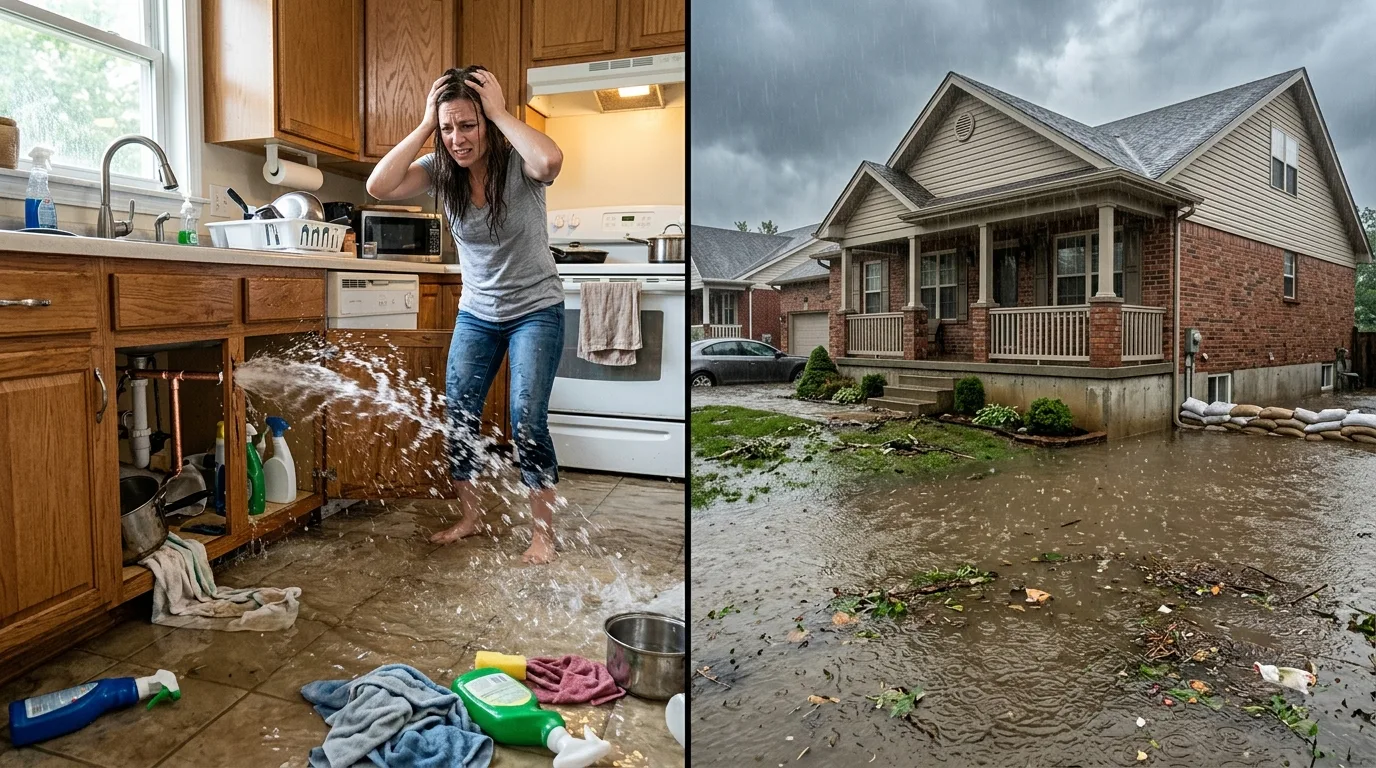
Eagle Mountain is one of the fastest-growing cities in Utah — adding thousands of new homes annually at growth rates exceeding 6% per year. Many of those homes are purchased by first-time buyers or families relocating from out of state who aren’t yet familiar with the specific water damage risks of Utah County’s semi-arid, high-desert environment. This guide is written for new Eagle Mountain homeowners who want to understand what they’ve bought into, what to inspect in the first few months of ownership, and how to build a maintenance calendar that prevents expensive water damage events before they happen.
In this post, we cover Eagle Mountain-specific risks for new construction, the maintenance tasks that matter most, the seasonal calendar to follow, and when to call a professional even before water damage has occurred.
New to Eagle Mountain? Get a Preventive Water Damage Assessment.
Thermal imaging inspection for new Eagle Mountain homeowners — find issues before they become emergencies. Call (877) 698-1311.
What New Eagle Mountain Homeowners Need to Know About Their Risk
Eagle Mountain’s rapid development creates a housing stock with a distinctive risk profile. Most homes were built in the last 15 years — which means they’re generally better insulated and better detailed than older Utah County construction, but they haven’t yet been tested by the full range of seasonal water events that will eventually arrive.
New construction water damage events in Eagle Mountain fall into three categories that surprise recent buyers:
Construction-related drainage issues: Lots graded for construction often settle unevenly in the first 2–3 years. Areas that drained adequately when the home was built may develop low spots that hold water against the foundation after grade settlement. This isn’t a builder defect — it’s normal settling — but it creates water intrusion risk if not corrected.
Early appliance failures: New homes come with new appliances, but the supply lines and drain connections installed during construction are also new and subject to early failures. Washing machine supply hoses — particularly rubber hoses — have a high failure rate in the first 5 years. Most restoration companies see a disproportionate number of appliance-failure water damage calls in homes under 3 years old.
Untested drainage systems: A sump pump that was installed but never needed during a dry period following construction can be a complete surprise when Eagle Mountain’s first significant flood event arrives. Many new homeowners don’t know where their sump pump is, whether it has a battery backup, or when it was last tested.
Utah County’s expansive clay soils mean that properties in Eagle Park and newer SilverLake sections will go through their first full wet-dry cycle in the first year or two of occupancy — and the foundation’s response to that cycle may reveal cracks or seepage that weren’t visible at closing. This isn’t alarming, but it is worth monitoring.
Month 1–3: First Inspection Checklist
Before your first winter:
- Locate your main water shutoff valve and confirm it operates — this is the most important thing every Eagle Mountain homeowner should know
- Identify all shut-off valves for individual plumbing fixtures
- Locate the sump pump (typically in the basement utility area or mechanical room), confirm it runs when triggered, and note whether a battery backup is installed
- Inspect all washing machine hoses — replace rubber hoses with braided stainless steel if not already done
- Walk the exterior and confirm downspouts are extended at least 4 feet from the foundation and that grading slopes away from the home
Check for construction-quality details:
- Window wells: Are covers installed? Are the bottoms filled with clean gravel for drainage?
- Crawl space: Is a vapor barrier present? Is it intact and covering the full ground surface?
- Garage: Do all garage walls and the floor drain away from the living space entry, or does water pool toward it?
Eagle Mountain New Homeowner Water Damage Check — Schedule Yours Today.
Comprehensive pre-season assessment for Eagle Mountain homeowners. Call (877) 698-1311.
Seasonal Maintenance Calendar for Eagle Mountain
February (pre-spring):
- Test sump pump, replace battery backup if more than 2 years old
- Clear gutters and extend downspouts
- Inspect exterior for new cracks that opened during winter freeze-thaw cycles
- Confirm all exterior hose bibs are properly drained and ready for spring use
May (post-snowmelt):
- Walk the basement and crawl space with a flashlight looking for moisture staining, efflorescence on concrete, or soft spots in insulation
- Check window wells for signs of water entry
- If your home is in a lower-lying area of City Center or Eagle Park, consider a moisture inspection with thermal imaging before summer — spring is the most common time hidden moisture accumulates
June (pre-monsoon):
- Test sump pump again — it may not have run since February and summer is its second high-demand season
- Inspect window well covers
- Check all exterior caulking at penetrations (pipe entries, HVAC lines through exterior walls)
October (pre-winter):
- Disconnect all garden hoses from exterior hose bibs
- Insulate exposed pipes in the garage and crawl space
- Know the forecast — when temperatures below 20°F are expected for more than 48 hours, take pipe protection steps (open cabinet doors, allow slow drip at vulnerable faucets)
- Schedule any deferred plumbing repairs before the ground freezes
Insurance Coverage Gaps New Buyers Often Miss
New Eagle Mountain homeowners frequently discover at the worst moment that their standard homeowners policy excludes several of the water damage scenarios most likely to affect them. The three most important gaps to close:
-
Flood insurance: Standard homeowners policies exclude ground flooding. Eagle Mountain’s spring runoff and monsoon flood risks make this exclusion meaningful. An NFIP policy or private flood policy is available for most Utah County properties.
-
Sewage backup rider: The $50–$150/year endorsement that covers sewage backup events. Without it, a sewage cleanup in Eagle Mountain is completely out of pocket — $3,000–$7,000+ depending on the event.
-
Service line coverage: Supply and sewer lines from the street to your home are your responsibility — not the city’s — and repairs to failed buried lines are not covered by standard homeowners policies. A service line endorsement covers these repairs.
For full insurance coverage guidance, see our homeowners insurance and water damage guide for Eagle Mountain. For cost context if a water damage event does occur, see our 2026 pricing guide.
Welcome to Eagle Mountain — Protect Your Investment From Day One
Eagle Mountain Water Damage Restoration: IICRC-certified, all insurance accepted, 24/7 emergency response. (877) 698-1311.
Related: