Why Eagle Mountain's Clay Soil Makes Water Damage Worse
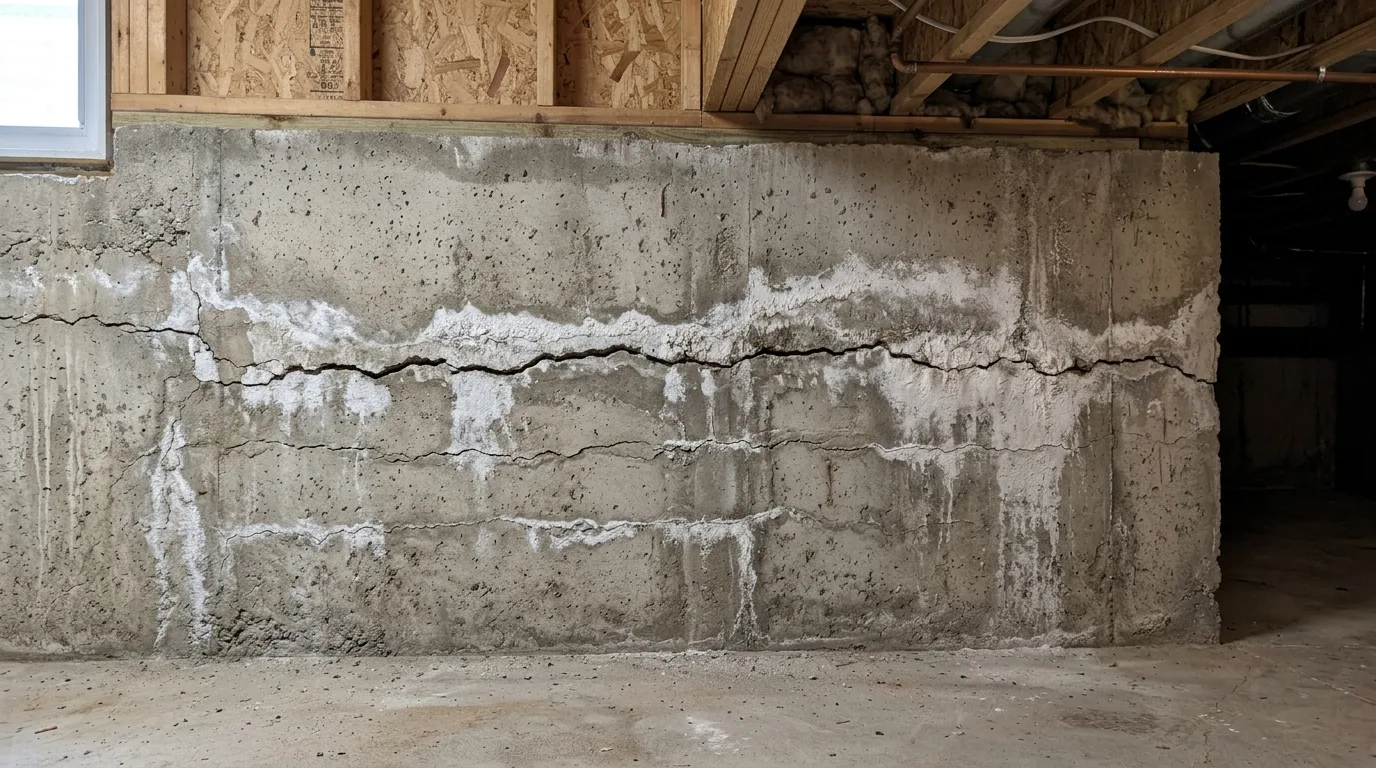
If you live in Eagle Mountain, Utah County’s expansive clay soils are working against your foundation every time it rains — and during water damage events, they make an already serious problem significantly worse. Most homeowners know clay soil absorbs and holds water, but few understand the mechanical force that saturated clay can exert on a foundation, how that force interacts with water damage restoration, and what it means for the long-term condition of their home. This guide explains the specific ways Eagle Mountain’s clay soils amplify water damage, and what restoration must address to achieve a complete result.
In this post, we cover the mechanics of expansive clay soil in Utah County, the specific damage patterns it creates, how it affects restoration scope and cost, and what you can do to manage moisture at the foundation level.
Water Damage in Eagle Mountain? Clay Soil Changes the Equation.
IICRC-certified assessment that includes foundation moisture evaluation. Call (877) 698-1311.
What Makes Eagle Mountain’s Soil Different
Utah County’s soil profile includes significant deposits of expansive clay — a soil type characterized by its ability to absorb large volumes of water and swell dramatically, then shrink and crack as it dries. This shrink-swell behavior can generate up to 5,500 pounds per square foot of uplift pressure against a foundation when the soil is saturated — enough to crack poured concrete foundation walls, shift footings, and displace floor slabs.
This isn’t a theoretical concern. Foundation repair companies in Utah County report some of the highest volumes of foundation movement work in the Intermountain West, largely attributable to the combination of expansive soils and Eagle Mountain’s seasonal moisture cycles. The wet-dry sequence — spring saturation from snowmelt, summer drying, monsoon re-saturation — repeats every year and each cycle adds cumulative stress to foundation systems that weren’t designed for continuous movement.
For homeowners in The Ranches neighborhood, where golf course irrigation and neighboring properties maintain elevated soil moisture, the clay stays nearer to its saturated state for more of the year. In Cedar Valley, where larger lot sizes create more varied drainage outcomes, some areas experience extreme wet-dry cycles that neighboring lots don’t.
How Clay Soil Amplifies Water Damage
Slows drainage from water damage events: When water escapes from a burst pipe or flood event and reaches the soil through foundation penetrations or floor drains, it saturates clay soil that then holds water against the foundation for days or weeks. The soil doesn’t drain quickly like sandy soils in other markets — it becomes a reservoir that continues pressing water against the foundation long after the interior source has been addressed.
Creates ongoing vapor intrusion: Even without a visible water event, saturated clay soil against a foundation drives water vapor into basement walls and crawl spaces as the soil dries. This vapor intrusion can raise moisture content in structural materials — insulation, bottom plates, OSB sheathing — to levels that support mold growth without any flood or leak having occurred. Many Eagle Mountain homeowners who discover mold in their basements had no obvious water event; the source was slow seasonal vapor intrusion.
Exerts pressure that cracks foundations: Water damage events that allow water to penetrate and saturate the soil against a foundation can trigger soil swelling episodes that open new cracks in the foundation wall. These cracks become water pathways for the next seasonal event. A water damage restoration that dries the interior but doesn’t address the soil drainage condition may be setting up the next water intrusion event.
Reduces effectiveness of perimeter drainage: Foundation drain systems (French drains, footing drains) that were installed in Eagle Mountain homes may become partially or fully blocked over time as clay fines migrate into the perforated pipe. A drainage system that worked adequately when installed may be functioning at reduced capacity by the time a home is 5–10 years old.
Eagle Mountain Water Damage With Foundation Concerns? We Assess Both.
Comprehensive moisture inspection including foundation drainage evaluation. Call (877) 698-1311.
Types of Clay Soil Water Damage Issues
Slow foundation seep: Water seeping through hairline cracks in the foundation wall — often appearing as damp areas or mineral streaks — indicates saturated clay soil pressing water against the foundation. This type of moisture intrusion is gradual and easy to underestimate until it has saturated insulation and drywall behind the wall face.
Post-flood soil reactivation: After an interior water damage event saturates the soil outside the foundation, the clay swells against the wall, potentially opening new cracks and creating new pathways. This is why post-flood restoration in Eagle Mountain must include exterior drainage assessment.
Vapor-drive mold: Hidden mold in basement wall cavities — discovered during renovation or when a musty odor prompts investigation — that has no associated flood or plumbing history often traces back to clay soil vapor intrusion. The 10 signs of hidden water damage list includes the physical clues this creates.
Slab heaving: When clay soil beneath a basement slab or garage slab becomes heavily saturated, the upward pressure can heave the slab — creating raised sections, cracked floor tiles, or doors that no longer close correctly. This is distinct from slab settlement (downward movement) but can occur in the same home at different times.
What Restoration Must Include in Eagle Mountain
Standard water damage restoration protocols dry the interior. Complete water damage restoration in Eagle Mountain must also:
- Assess perimeter drainage — confirm downspouts, surface grades, and subsurface drainage are directing water away from the foundation, not holding it against it
- Evaluate the foundation for new cracks — water damage events that saturate exterior soil may have created or enlarged foundation cracks that will become future intrusion points
- Consider vapor barrier upgrades — if the loss revealed inadequate crawl space or basement moisture barriers, this is the right time to address them during reconstruction
- Document soil moisture conditions — thermal imaging during and after drying should include the foundation walls and lower wall assemblies, where clay-sourced vapor intrusion most commonly produces elevated moisture
Restoration that addresses only the interior drying — without evaluating the exterior soil and drainage conditions — may produce a complete dry-out result that fails within the next wet season when the same clay soil conditions recur.
Managing Clay Soil Moisture at Your Eagle Mountain Home
- Extend downspouts to 4–6 feet from the foundation — not just the standard 4 feet, given clay soil’s tendency to hold discharged water near the point of release
- Maintain positive grade — check annually that soil has not settled flat or toward the foundation; add topsoil and re-slope as needed
- Consider a crawl space encapsulation — if your home has a crawl space, encapsulation with a vapor barrier and controlled ventilation is the most effective long-term solution to clay soil vapor intrusion
- Plant strategically — deep-rooted shrubs and trees near the foundation draw soil moisture down through the root zone; turf grass holds surface moisture and keeps clay near saturation
For the complete restoration process following a water damage event, see our Water Damage Restoration service page. For the implications of clay soil on Eagle Mountain’s building permit requirements, see our homeowners insurance and water damage guide.
Eagle Mountain Water Damage — Clay Soil Aware Restoration
Eagle Mountain Water Damage Restoration: complete assessment, all insurance accepted, 24/7 response. (877) 698-1311.
Related: