Cedar Valley Rural Water Damage: Special Considerations
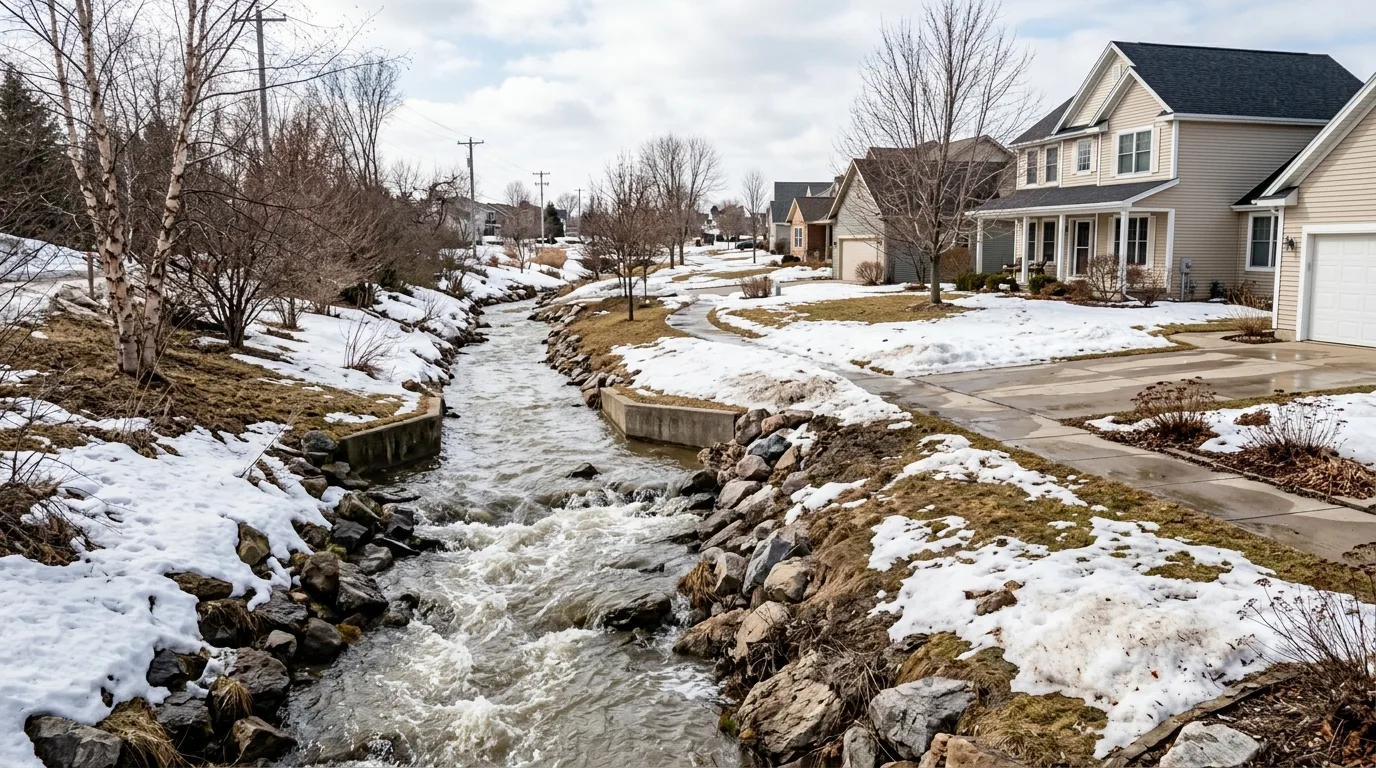
Cedar Valley — the rural, open-space section of Eagle Mountain — operates on a different scale than the city’s denser residential neighborhoods. Larger lots, privacy, room for animals and gardens, and a quiet feel are why residents choose Cedar Valley over City Center or Eagle Park. But larger lots and rural infrastructure also create water damage risks that are largely absent in smaller-lot subdivisions. This guide addresses the specific water damage considerations for Cedar Valley homeowners — including septic system risks, well water, varied drainage grades, and the response logistics of rural properties.
In this post, we cover the infrastructure differences between Cedar Valley and Eagle Mountain’s more urban neighborhoods, the water damage scenarios specific to rural residential properties, and what to expect from restoration on a larger rural lot.
Water Damage on Your Cedar Valley Property? We Serve All of Eagle Mountain.
IICRC-certified response including rural and larger-lot properties. Call (877) 698-1311.
What Makes Cedar Valley Different for Water Damage
Cedar Valley’s rural character means that some homes rely on infrastructure that the rest of Eagle Mountain has moved away from: septic systems instead of municipal sewer, private wells in some older sections, and access roads that may create drainage challenges not present in standard subdivision settings. The larger lot sizes also mean that surface water management is a property-specific responsibility in ways that don’t apply to quarter-acre residential lots where the city’s engineered drainage systems handle most of the load.
Eagle Mountain’s clay soils are present throughout Cedar Valley, but the combination of larger lots, more varied topography, and sometimes older construction means that the drainage grades and soil management practices on Cedar Valley properties have more variability than in newer subdivisions. A Cedar Valley property that has been improved over time — with added structures, driveways, hardscape, or grading modifications — may have drainage patterns that direct water toward the main structure in ways the original site grading didn’t anticipate.
The semi-arid, high-desert climate context matters here too: Cedar Valley’s more open terrain is more exposed to Eagle Mountain’s seasonal weather events — the spring snowmelt that comes down the Lake Mountains, the summer monsoon storms, and the winter freeze conditions. Properties with larger roof areas and more outbuildings have proportionally more surface to manage.
Unique Water Damage Risks in Cedar Valley
Septic system failures: Cedar Valley homes on septic systems face water damage risk from a source that municipal-sewer Eagle Mountain neighborhoods don’t: septic system overflow or backup. A saturated drain field — from spring snowmelt keeping the soil near the field at or above capacity — can cause sewage to back up into the home through the lowest plumbing fixtures. This is a category 3 event requiring the full sewage cleanup protocols used for municipal sewer backup.
Septic failures in Cedar Valley are most common in spring and after sustained heavy rain events in summer — the same seasonal windows that create other water damage risk. Utah County’s clay soils are poorly suited to drain field function because their low permeability limits the rate at which effluent can be absorbed. Cedar Valley properties with aging septic systems should be assessed before their expected service life (typically 20–30 years) is reached.
Well and pump house flooding: Cedar Valley properties with private wells have a pump house or pressure tank that can be affected by flooding. Electrical components in pump houses are particularly vulnerable to water damage, and well pump failures resulting from flood events can leave the property without water supply during the restoration period. This adds a logistical dimension to restoration that municipal-supply properties don’t face.
Outbuilding to main structure migration: Larger Cedar Valley lots may include barns, workshops, garages, and other outbuildings. Water damage in these structures can migrate toward the main residence through drainage patterns — particularly if the main structure is downhill from the outbuilding. Flooding in a detached garage that drains toward the house foundation is a scenario specific to larger rural lots.
Longer response time logistics: Cedar Valley’s location and road access on some properties creates a slightly different response timeline consideration. Our 60-minute response commitment covers all of Eagle Mountain including Cedar Valley — but homeowners with long private driveways or access roads that may be affected by the same storm event that caused the flooding should confirm access is passable when they call.
Cedar Valley Eagle Mountain Water Damage — Rural-Ready Response
IICRC-certified team with experience on larger lots and rural properties across Utah County. Call (877) 698-1311.
Types of Water Damage Specific to Cedar Valley
Surface flooding from larger lot drainage: Water pooling from surface runoff on a larger Cedar Valley lot can accumulate volume before reaching the main structure. The volume of surface runoff from a 1-acre lot is substantially higher than from a quarter-acre lot in the same rain event. If grading has changed since original construction — from added hardscape, vehicle paths, or erosion — runoff patterns may direct water toward the foundation.
Basement and crawl space seepage: Cedar Valley’s clay soils create the same foundation vapor intrusion conditions as elsewhere in Eagle Mountain, but the larger setbacks and varied topography mean that some Cedar Valley foundations sit in drainage positions that concentrate soil moisture more than standard residential lots. Properties at the bottom of natural grades are particularly exposed to this condition during the spring wet season.
Agricultural water sources: Cedar Valley’s “animals/gardens” character means that some properties have irrigation systems, animal water systems, or agricultural water storage that can fail and introduce water onto the property near the main structure. These are category 1 or 2 events depending on the water source, but the volume from an agricultural failure can be substantial.
Restoration on Cedar Valley Properties
The restoration process follows the same IICRC protocols used throughout Eagle Mountain: thermal imaging moisture detection, extraction, structural drying, and reconstruction. Cedar Valley specifics:
- Septic assessment: If the water damage event had any connection to the septic system, a licensed septic contractor should assess the system before reconstruction work begins to confirm the drainage field is functional and the backup source is resolved.
- Well electrical assessment: If the pump house or pressure tank was affected, an electrician should inspect the well pump electrical system before it’s energized.
- Site drainage assessment: For Cedar Valley properties where surface drainage contributed to the water damage event, we include exterior drainage evaluation in the assessment — because restoring the interior without addressing the site drainage condition guarantees a repeat event.
For the general water damage restoration process, see our Complete Guide to Water Damage Restoration in Eagle Mountain. For comparison with other Eagle Mountain neighborhoods, see our guides for The Ranches and SilverLake.
Cedar Valley and Eagle Mountain — Full-Service Water Damage Restoration
Eagle Mountain Water Damage Restoration: (877) 698-1311. Rural-property ready, all insurance accepted, 24/7 response.
Related: